News Articles
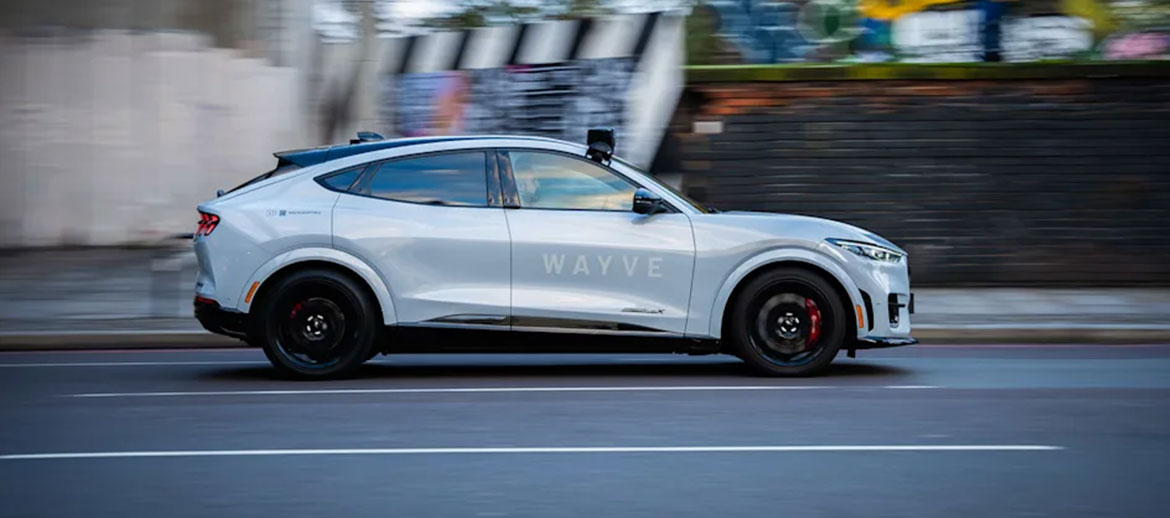
U.K. autonomous driving startup Wayve has reached an $8.6 billion valuation after raising $1.2 billion in a new funding round backed by a mix of technology companies, automakers, and mobility platforms.
The Series D financing was led by Eclipse, Balderton, and SoftBank Vision Fund 2. The investor group also included Nvidia, Microsoft, and Uber, as well as automakers Mercedes-Benz, Nissan, and Stellantis. Uber said it may add up to $300 million more through milestone-based funding, meaning the extra capital would depend on Wayve meeting specific targets.
Wayve, founded in 2017, develops autonomous-driving software and AI models to power driver-assistance and future self-driving systems. The company has positioned its technology as an “autonomy layer” adaptable across different vehicle types and use cases, rather than being tied to a single car platform or deployment model. Wayve had already raised more than $1 billion before this latest round, and it has become one of Europe’s most valuable startups in the autonomous vehicle space.
The funding comes as Wayve moves from development toward commercial pathways. In 2025, the company struck a partnership with Nissan to integrate its AI into driver-assistance systems, with vehicles featuring the technology expected to roll out from 2027. Wayve also said it plans to work with Uber on public robotaxi trials starting in London in 2026, before expanding to more than 10 markets globally.
Autonomous driving has been an ambitious goal for years, but progress has been uneven due to both technical complexity and regulatory constraints. The most advanced form, often described as full autonomy, that can operate anywhere without human supervision, remains out of reach at scale. Even so, recent advances in AI have renewed investor interest and accelerated product roadmaps across the sector.
Competition is also intensifying. Waymo has expanded robotaxi access in additional U.S. cities, while other major players, including Tesla and Amazon-owned Zoox, have continued pushing public-facing autonomous ride programs. Against that backdrop, Wayve’s latest raise signals that large investors see a growing opportunity for AI-driven autonomy platforms that can be deployed across multiple fleets, manufacturers, and service models.