News Articles
The financial markets are constantly in flux as institutional funds and private investors adjust their portfolios and explore emerging sectors. Beyond the daily fluctuations in individual indices, larger trends are also at play. These include geopolitical factors, economic conditions, and the persistent pursuit of safe and dependable returns.
Over the past ten years, there has been a noticeable shift in the focus of global financial activity away from the traditional centers of North America and Europe towards Asia.
Moreover, this trend appears poised to accelerate even further based on current indicators.
The latest edition of the Global Financial Centres Index, produced by London-based think tank Z/Yen Partners and the China Development Institute in Shenzhen, reflects the shift towards Asia in the global financial landscape. The ranking, released in September last year, identifies Singapore and Hong Kong as two of the top four world financial hubs, after New York and London.
Additionally, three mainland Chinese cities – Beijing, Shanghai, and Shenzhen – are in the top 10, confirming that the trend toward Asia has persisted despite the challenges posed by the Covid-19 pandemic and geopolitical uncertainties like Russia's invasion of Ukraine.
The underlying reasons for this shift can be traced to three key factors investors consider when deciding where to invest or explore new opportunities.
The first factor is connectivity, the ease of accessing and moving investments to and from other financial centers without delay.
The second factor is predictability, which hinges on having a trustworthy legal system, a respected arbitration framework, and a stable sociopolitical environment that is not prone to unexpected changes.
Finally, the third factor is vibrancy, which results from having an open economy and supporting established industries, early-stage start-ups, and international opportunities, all of which offer promising prospects for growth.
Global economic growth has shifted focus toward Asia because of its high production activity and increasing demand for financial services. As a result, countries with large populations, like China, India, Vietnam, Thailand, and Indonesia, are opening up financial services to the general public, creating masses of new potential investors.
In addition, fintech has made banking more accessible to everyone, from wealthy city-dwellers to first-time account holders in the countryside, and led to increased investment activity in provincial towns in China and India.
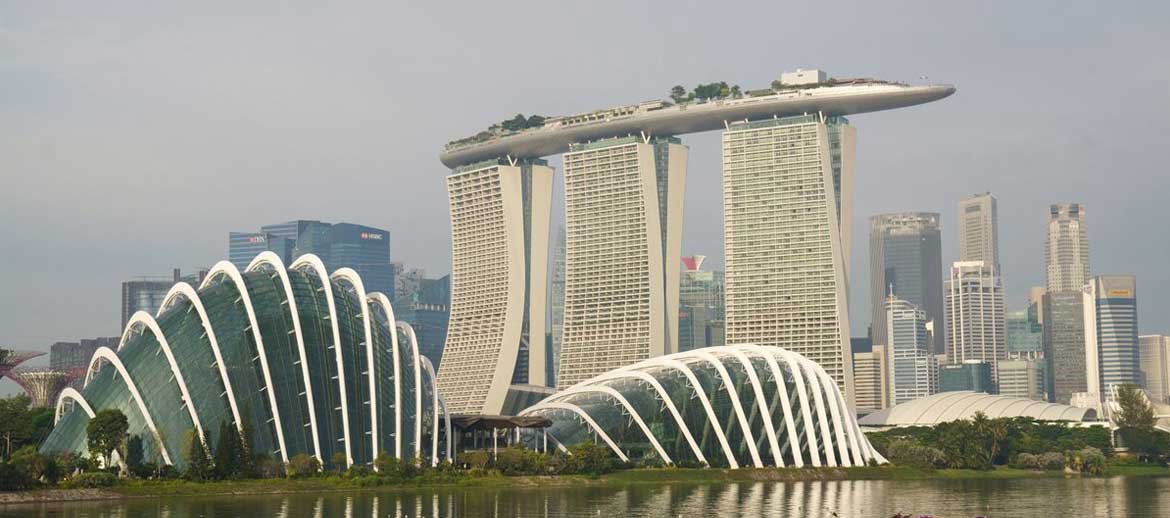
Singapore is well-situated to benefit from the growing opportunities due to its established position as a global wealth management center. Singapore's banks are considered ahead of the curve in adopting technology, leveraging AI and ML to provide personalized, actionable insights for customers to guide them in transactions or investment decisions.
During geopolitical tensions and other disruptions, Singapore's safe-haven status has also benefited the city-state, making it an attractive place for investors.
Singapore's financial institutions are transparent and implement best practices, providing customers with peace of mind that their money is safe. MAS has emphasized ensuring that financial institutions deliver fair dealing outcomes to customers and disclosing their ESG performances. Investors increasingly seek sustainable finance, creating tremendous wealth management expertise and service opportunities.
As Asia's economies continue to grow, demand for wealth management expertise and services is expected to increase. Institutions with proven track records will be poised to reap the benefits of this growth.